Trending
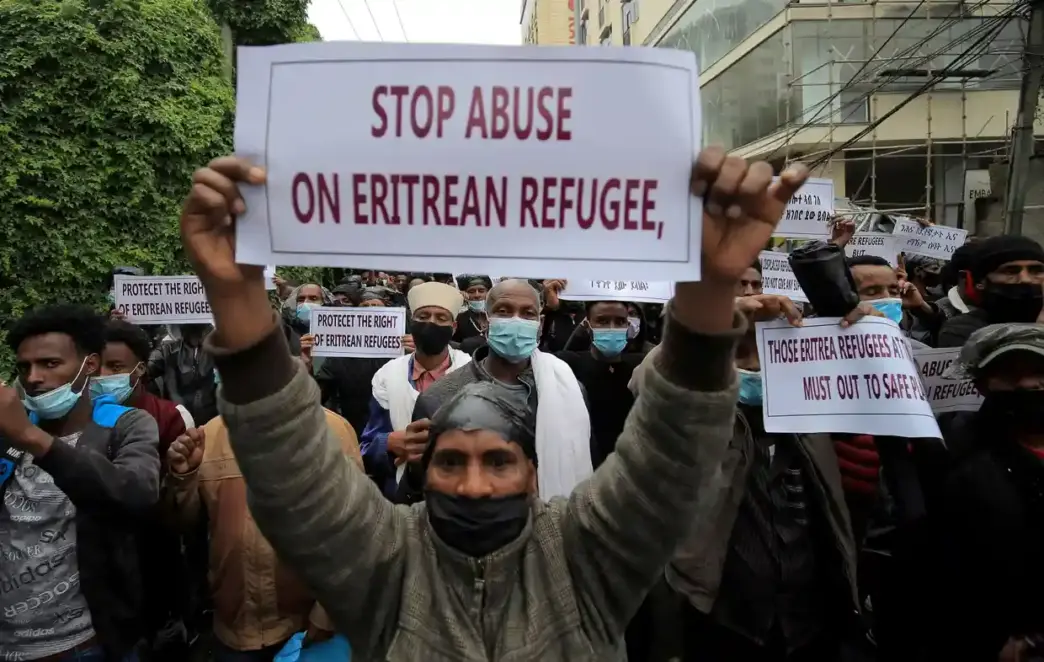
The United Nations has urged Eritrea to free an estimated 10,000 people it says are being held in arbitrary detention, including political figures, journalists, religious leaders, and students.
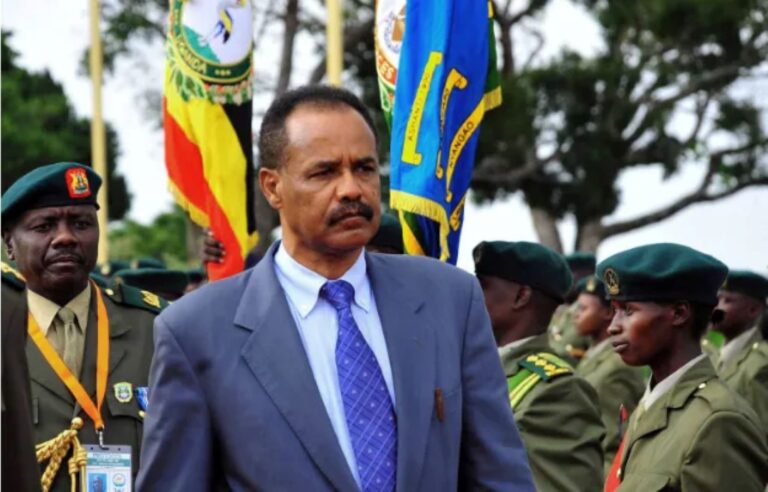
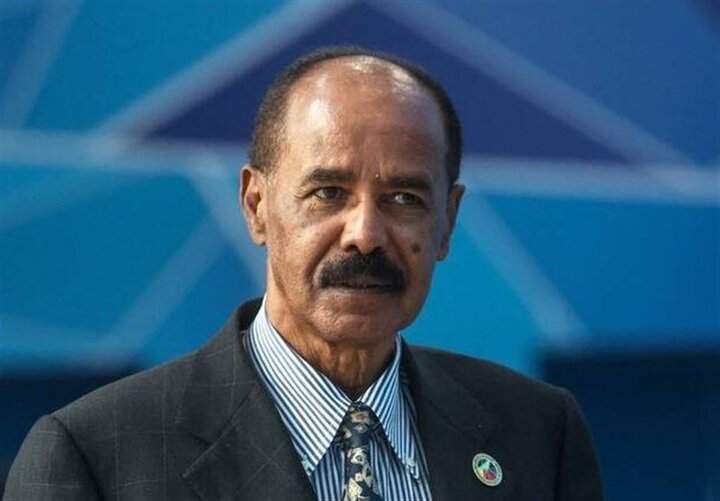
Eritrea, a Horn of Africa nation ruled by President Isaias Afwerki since gaining independence from Ethiopia in 1993, is frequently ranked among the world’s worst countries for human rights.
Dissent is tightly controlled, and critics often vanish into the prison system without trial.
In a statement on Monday, UN human rights office spokesman Seif Magango described the recent release of 13 detainees as a positive step but stressed that far more must be done. The group had reportedly spent almost 18 years in detention without charge.
Magango called on Eritrean authorities to unconditionally release all those still being held arbitrarily, specifically naming the so-called G11—former senior government officials imprisoned in 2001 after demanding political reforms.
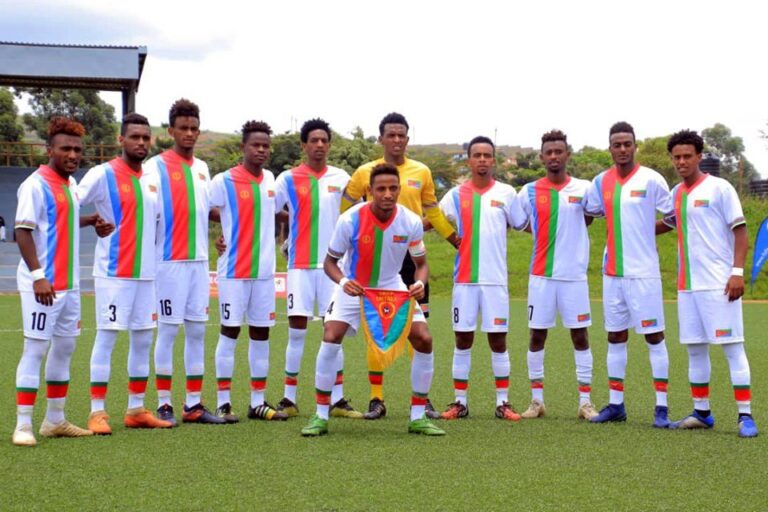
The rights group Human Rights Concern–Eritrea welcomed the release of the 13 detainees earlier this month, noting that they included former police officers and an ex-Olympian.
According to the organisation, some of those imprisoned in Mai Serwa prison near the capital, Asmara, were kept in metal shipping containers, where temperatures swung between extreme heat and intense cold.
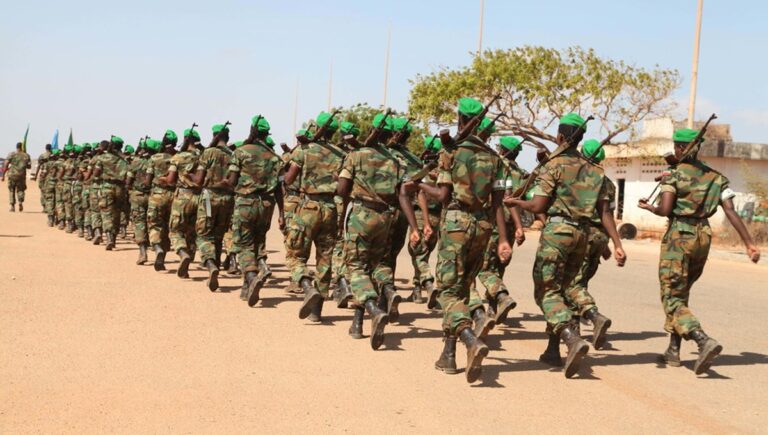
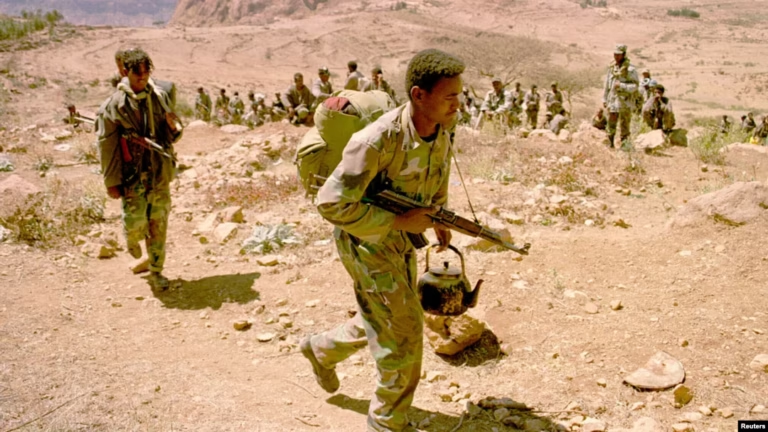
Eritrea, with a population of around 3.5 million, has long been accused of suppressing dissent through indefinite detention, forced military conscription and compulsory labour.
Critics say the system leaves civilians with little legal protection and no avenue to challenge their imprisonment.
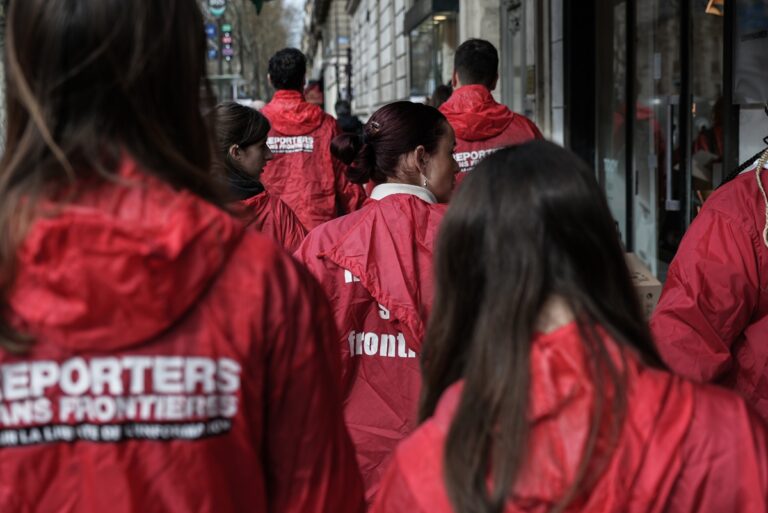
The UN said politicians, journalists, priests and students remain among the thousands believed to be behind bars without due process.
Magango added that the UN remains ready to engage with Eritrean authorities to help ensure the country meets its international human rights obligations.