Trending
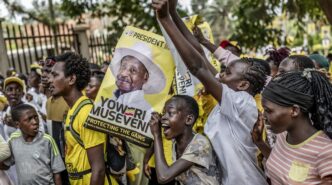
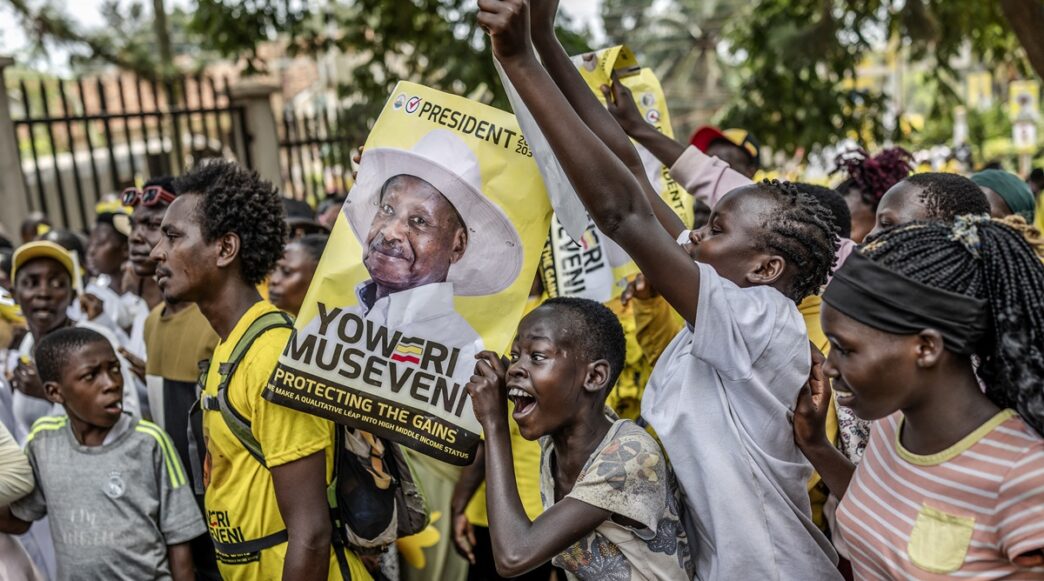
Uganda, a country where its president, Yoweri Museveni, is seeking a seventh term that would extend his rule to four decades, is banking on future oil revenues to lift millions out of poverty.
Below are five key facts about the nation:
Regional Military Footprint
Uganda’s modern history remains shaped by the legacy of former dictator Idi Amin, whose brutal rule from 1971 to 1979 was brought to an end with the involvement of Museveni, then a guerrilla fighter. Since gaining independence from Britain in 1962, the country has been drawn into multiple civil wars and regional conflicts.
Museveni, who seized power in 1986 at the head of a rebel army, has sought to position Uganda as a strategic ally of the United States, partly to counter criticism of his domestic governance record. Ugandan forces have played a central role in regional security operations, notably forming the largest African troop contingent fighting Al-Shabaab militants in Somalia since 2007.
The country has also fought two major wars in what is now the Democratic Republic of Congo between 1996 and 2003 and continues to maintain a military presence there.
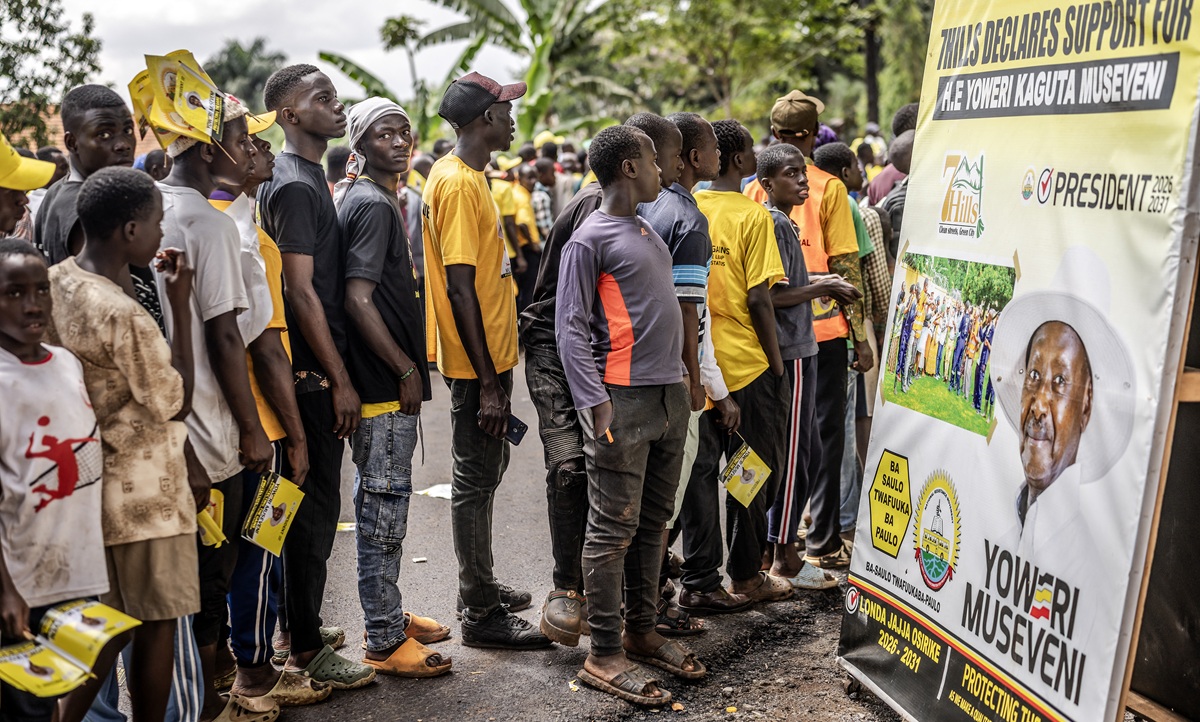
Oil-driven Ambitions
Agriculture remains the backbone of Uganda’s economy, with coffee as its top export, alongside refined gold and a growing tourism industry. According to the World Bank, the country recorded sustained economic growth under Museveni, exceeding six percent in 2024-2025.
Despite this, about 60 percent of Ugandans live on $3 a day or less. Critics argue that repeated large-scale corruption scandals have undermined the benefits of growth.
The government is now pinning its hopes on oil production after significant reserves were discovered in the Lake Albert region in 2006. As a landlocked country, Uganda plans to export its crude through a $10 billion pipeline project involving France’s TotalEnergies and China’s National Offshore Oil Corporation (CNOOC).
The 1,443-kilometre heated pipeline, the longest of its kind globally, is expected to begin transporting oil to Tanzania’s Indian Ocean port of Tanga in June, despite strong opposition from environmental groups.
A Youthful Nation
According to World Bank data, Uganda’s population stood at about 51.4 million in 2025, with half under the age of 18 and just two percent aged 65 or older.
Often referred to as the “Pearl of Africa,” a name popularised by Winston Churchill in the early 20th century, the country is renowned for its natural diversity, from rainforests and vast lakes to snow-capped mountains.
Uganda borders Lake Victoria, shares the Nile River, and hosts iconic natural landmarks such as Bwindi National Park, home to roughly half of the world’s remaining mountain gorillas, and Mount Stanley, Africa’s third-highest peak.
Tough Anti-homosexuality Law
Uganda’s Anti-Homosexuality Act, signed into law by Museveni in May 2023, is among the harshest such legislations globally. It imposes severe penalties for same-sex relationships and for what it terms the promotion of homosexuality, including the death penalty for cases classified as “aggravated homosexuality,” although executions have not been carried out for years.
Human Rights Watch has said the law entrenched homophobia and effectively legitimised discrimination. In response, the World Bank suspended new lending to Uganda but announced in June 2025 that it had resumed funding, stating that safeguards had been introduced to reduce the risk of discrimination in its projects.
Refugee Haven
Uganda hosts more refugees than any other African country, with the United Nations estimating the figure at around two million in 2025, largely due to conflicts in Sudan, South Sudan and the Democratic Republic of Congo.
While aid agencies say the scale of displacement has stretched Uganda’s resources, the government has also faced allegations of inflating refugee figures to increase international aid, adding another layer of controversy to its otherwise open-door refugee policy.