Trending
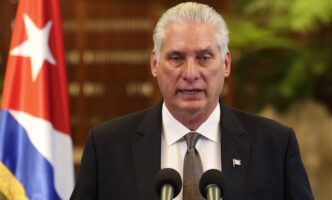
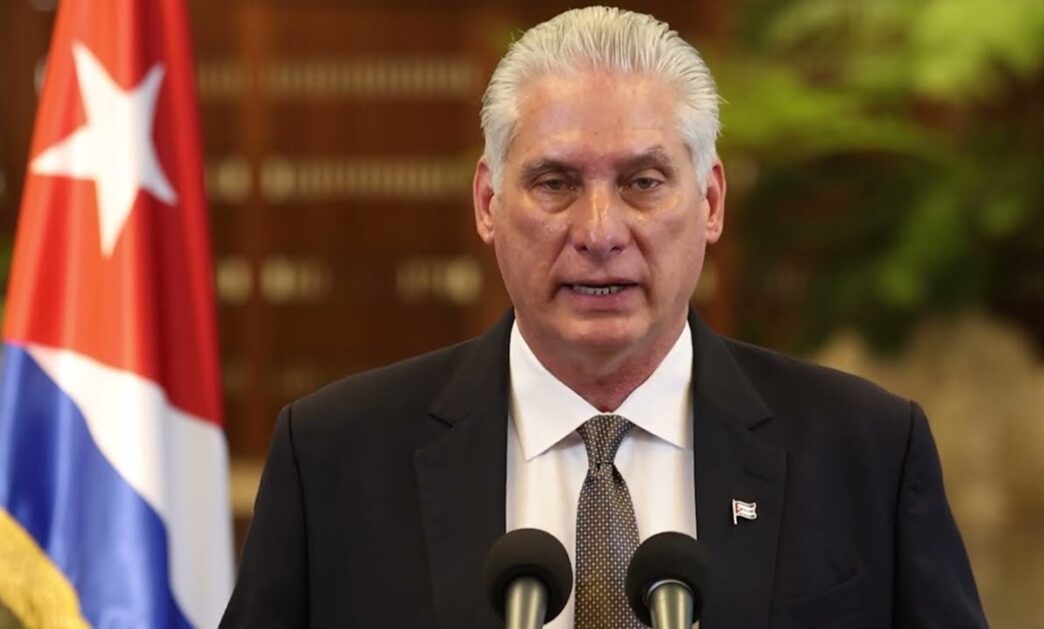
The President of Cuba, Miguel Diaz-Canel, has blamed the United States for worsening energy shortages in the country, describing the situation as the result of what he called a “genocidal energy blockade” imposed by Washington.
Díaz-Canel, in a post on X (formerly Twitter), acknowledged what he described as a “particularly tense” situation but attributed the worsening power supply to external pressure from the United States.
He said the crisis was driven by restrictive measures from Washington, which he claimed were aimed at blocking fuel supplies to the island and discouraging other countries from supporting Cuba’s energy needs.
La situación del Sistema Electroenergético Nacional es particularmente tensa en los últimos días.
Para la jornada de hoy se pronostica un déficit de más de 2 mil MW en el horario de máxima demanda o pico nocturno.
Ese dramático agravamiento tiene una única causa: el genocida…
— Miguel Díaz-Canel Bermúdez (@DiazCanelB) May 13, 2026
Cuba’s electricity supply has fallen to new lows, according to data compiled by AFP, with widespread and prolonged blackouts affecting large parts of the country in recent days.
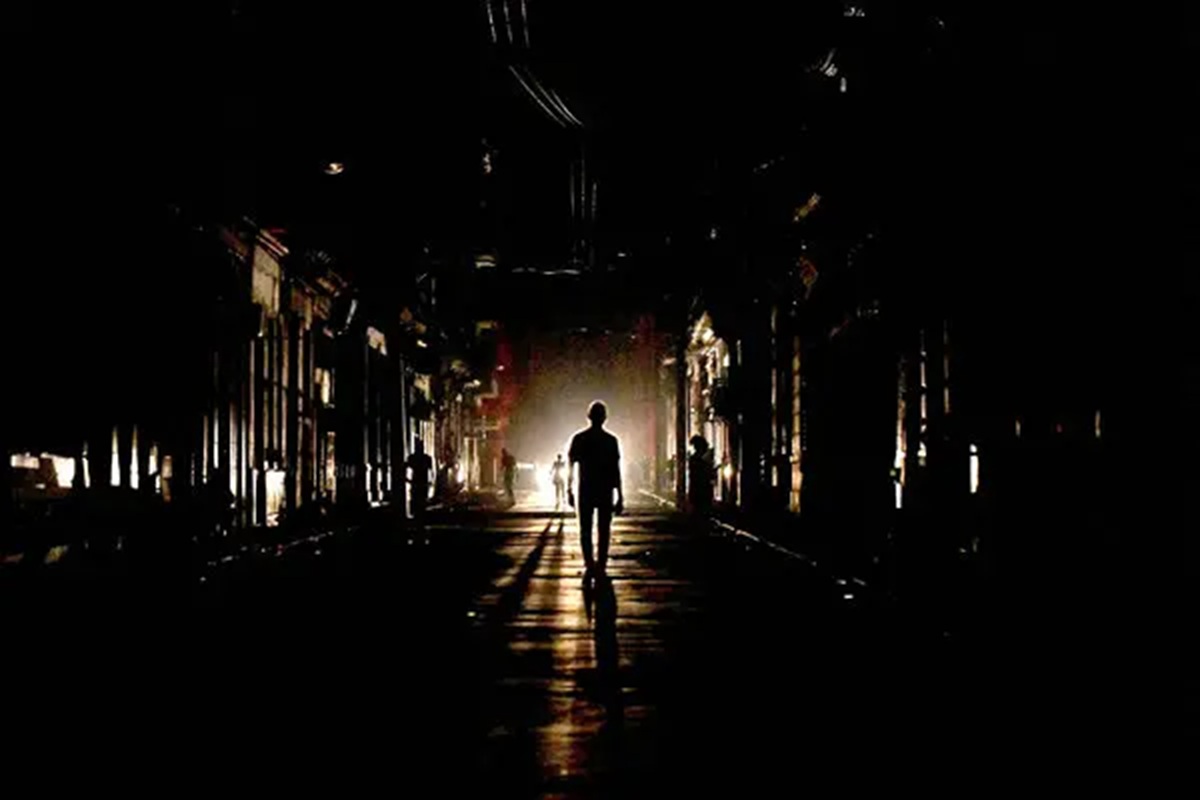
The data indicated that about 65 per cent of Cuban territory experienced simultaneous power outages on Tuesday, signalling the scale of the ongoing energy crisis.
“This dramatic worsening has a single cause: the genocidal energy blockade to which the United States subjects our country, threatening irrational tariffs against any nation that supplies us with fuel,” he said.
The energy crisis has deepened since January, when new US measures reportedly restricted oil deliveries to Cuba, a nation of about 9.6 million people already facing economic stagnation and shortages of basic goods.
Since then, only limited fuel shipments have reportedly reached the country, worsening supply constraints across the island.
Residents have experienced prolonged daily blackouts, with outages lasting more than 19 hours in Havana and extending for entire days in several provinces, leaving many households with more time without electricity than with it.
The current situation reflects a broader deterioration in Cuba’s power infrastructure, which briefly improved in April after the arrival of a Russian fuel shipment.
Cuba’s electricity generation system relies on eight ageing thermoelectric plants, many of which have been in operation for over four decades and frequently suffer breakdowns or shutdowns for maintenance.