


 Trending

World leaders are preparing for a series of major diplomatic meetings across Asia, with artificial intelligence, international trade, nuclear disarmament and regional security expected to dominate discussions.
Three summits scheduled over five days will bring together influential political figures, including United States President Donald Trump, Chinese President Xi Jinping and Russian President Vladimir Putin, as governments seek common ground on pressing global challenges.
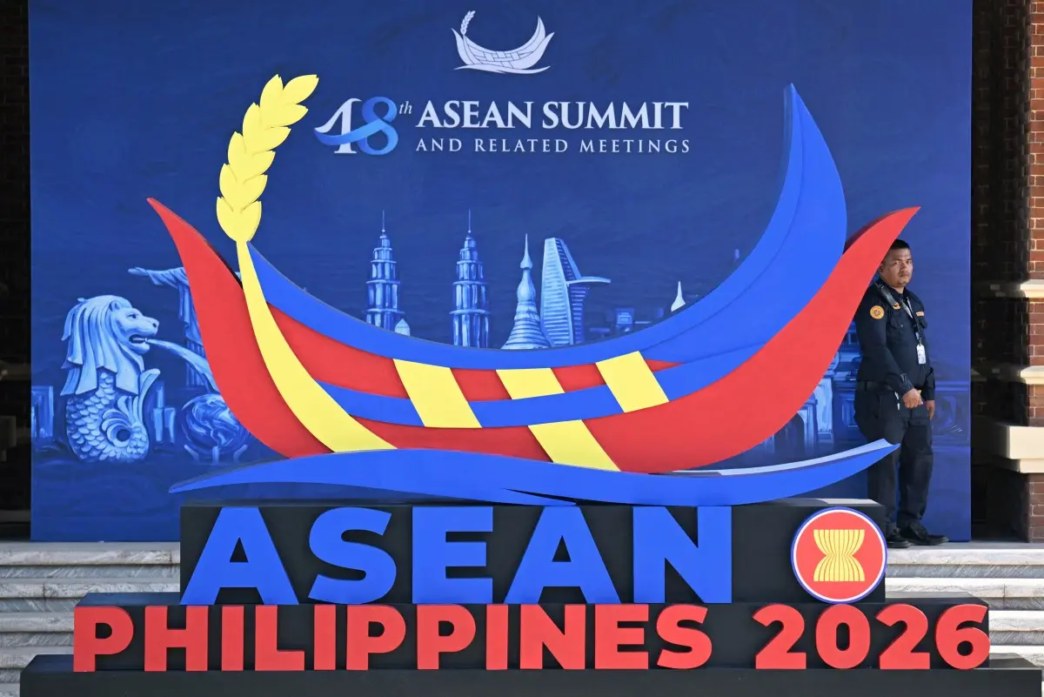
The Association of Southeast Asian Nations (ASEAN) will begin its final leaders’ summit of the year on Sunday in Manila, while French President Emmanuel Macron attends the Francophonie summit in Phnom Penh, Cambodia.
Read More : UK Appoints World’s First Climate Security Envoy
Attention will subsequently shift to Shenzhen, China, for the annual Asia-Pacific Economic Cooperation (APEC) conference.
Trump and Canadian Prime Minister Mark Carney are expected to attend both ASEAN and APEC meetings, while Indian Prime Minister Narendra Modi will participate in the ASEAN summit.
One of the most closely watched developments will be a proposed meeting involving Trump, Xi and Putin, with discussions potentially covering nuclear arms control, the war in Ukraine and the conflict involving Iran.
Artificial intelligence governance will also feature prominently at APEC following a September agreement between Washington and Beijing to establish a communication channel for AI-related incidents.
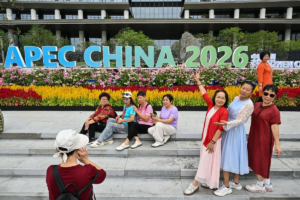
Despite their technological rivalry, both countries face growing pressure to cooperate on risks associated with biological weapons, cyberattacks and critical infrastructure.
Meanwhile, ASEAN leaders will confront unresolved disputes in the South China Sea, where negotiations over a proposed Code of Conduct between China and Southeast Asian nations have made limited progress.
The Philippines, which chairs ASEAN this year, had prioritised securing an agreement, but diplomatic observers remain doubtful that negotiations will produce a breakthrough.
Trade policy will present another major challenge as participating countries assess the consequences of Washington’s tariffs and continuing economic disagreements between China and the United States.
Although both countries extended their trade truce until January 10, disputes over Chinese rare-earth exports remain unresolved. Economists also expect limited changes to existing American tariffs, despite Trump’s recent midterm election setback.
With diplomatic expectations tempered by competing national interests, the summits will test whether global leaders can translate discussions on security, technology and economic cooperation into meaningful agreements.