


 Trending

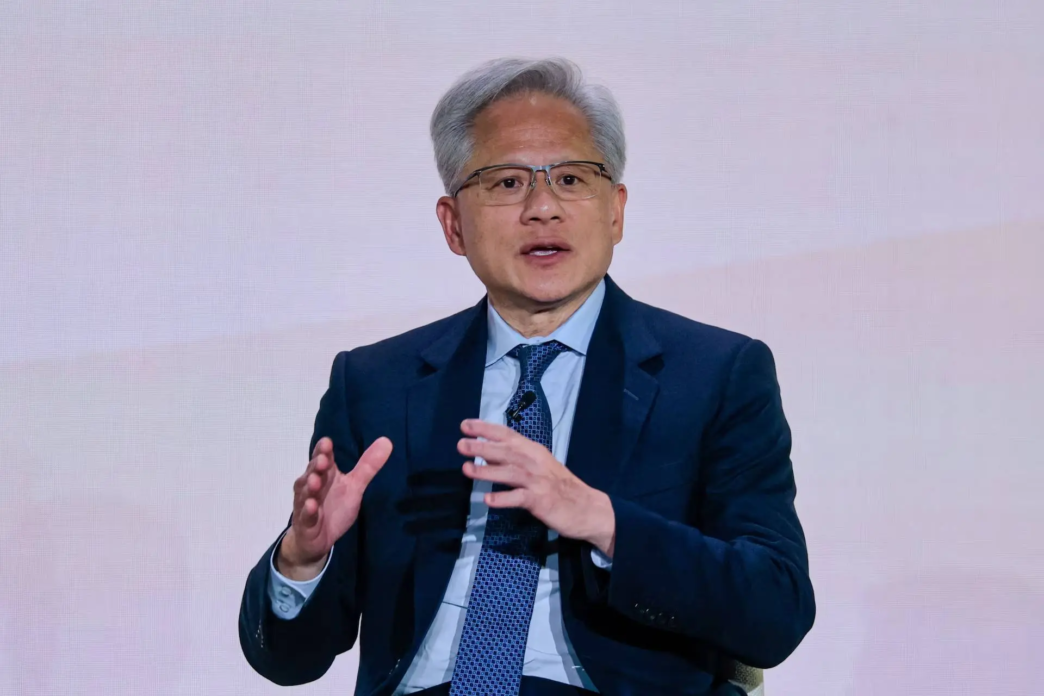
Silicon Valley faces an unprecedented leadership crisis as Nvidia’s board of directors convenes to determine the fate of co-founder and Chief Executive Officer Jensen Huang.
The emergency discussions follow explosive US media reports detailing Huang’s extramarital affairs, most notably a romantic relationship with Alice Huang, a data centre executive whom US intelligence officials accuse of operating as an agent for China’s Ministry of State Security.
The revelations have thrust the 63-year-old executive into a defensive posture, threatening his three-decade reign at the pinnacle of the global technology sector.
Read More : Nigeria Slowly Rolls Out Malaria Vaccine
The scandal carries profound geopolitical and corporate consequences because of Nvidia’s central role in the global artificial intelligence boom.
Since co-founding the company in 1993, Huang has transformed Nvidia from a specialised graphics chipmaker into the undisputed backbone of modern AI infrastructure, commanding a dominant market share in high-performance computing.
Nvidia currently lacks a publicly established succession plan because Huang has served as the firm’s sole chief executive for over thirty years.
Any sudden departure threatens to rattle global financial markets and disrupt critical semiconductor supply chains relied upon by major governments and tech conglomerates worldwide.
With Huang’s leadership hanging in the balance, industry analysts and Silicon Valley insiders are actively evaluating potential successors across three distinct categories should the board opt for an ouster.
Internally, Nvidia boasts a deep bench of seasoned executives among its workforce of more than 40,000 employees.
Chief Financial Officer Colette Kress stands out as a stabilising frontrunner, given her established authority within the company’s upper echelon and strong rapport with Wall Street investors.
Another formidable in-house contender is Ian Buck, the long-time executive overseeing Nvidia’s lucrative data centre business and a primary architect of the software ecosystem that keeps the firm’s hardware indispensable.
Deep Learning Research
Business publications also highlight Bryan Catanzaro, vice president of applied deep learning research, as a technically grounded alternative capable of steering the company’s scientific roadmap.
Alternatively, succession could remain within Huang’s extended family, where several relatives already hold influential roles in the semiconductor industry.
Analysts frequently point to Huang’s daughter, Madison Huang, who serves as senior director of product marketing at Nvidia following a multi-year tenure at luxury conglomerate LVMH.
Her brother, Spencer Huang, also commands consideration through his work as director of product management within Nvidia’s burgeoning robotics division.
Beyond immediate offspring, Huang’s first cousin once removed, Lisa Su, offers unmatched executive pedigree as the long-time chief executive who engineered a historic turnaround at rival chipmaker AMD.
Read More : Nvidia Board Weighs Huang’s Removal
Finally, Nvidia’s board could look outward to recruit an established titan from the broader technology landscape.
Industry observers frequently name Rene Haas, chief executive of British chip designer Arm, as a natural strategic fit given the deep commercial ties between both firms.
Meanwhile, widespread speculation in Silicon Valley suggests the board might even court former Apple CEO Tim Cook, who stepped down in August after 15 transformative years leading the iPhone maker, offering unmatched operational mastery during a turbulent transition.