Trending
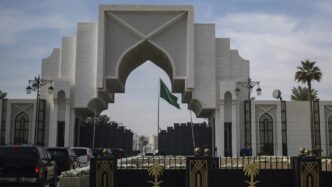
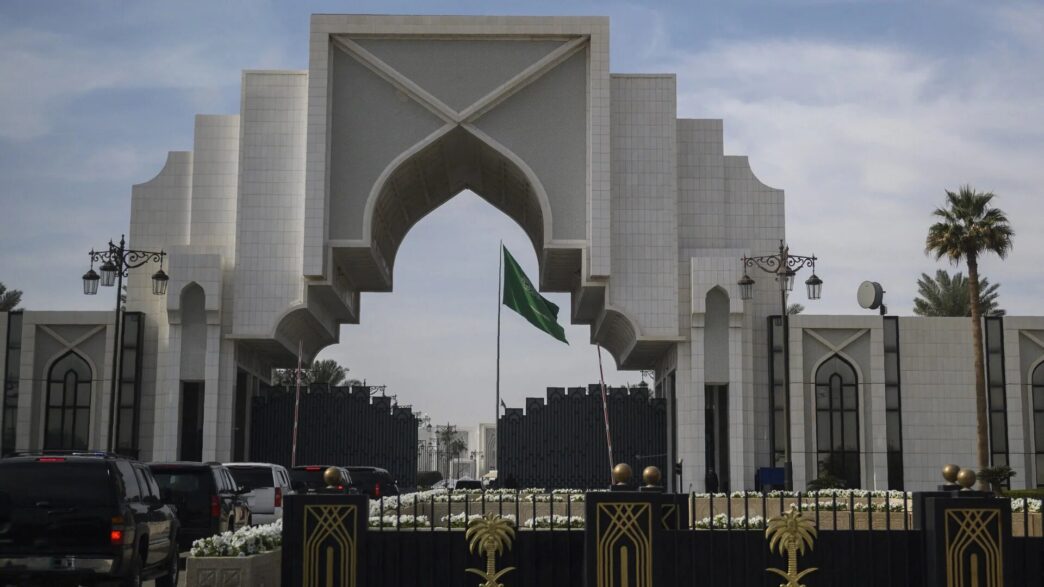
Saudi Arabia has set a new annual record for executions after putting three more people to death on Monday, bringing the total number carried out this year to 340, according to an AFP tally.
The latest executions mean the kingdom has surpassed last year’s figure of 338, marking the second consecutive year it has broken its own record since rights organisations began tracking executions in the 1990s.
Saudi Arabia continues to rank among the world’s leading users of the death penalty, trailing only China and Iran.
A statement issued by the interior ministry and carried by the official Saudi Press Agency said the three individuals were executed in the Mecca region after being convicted of murder.
The announcement pushed the overall total for 2025 to 340 executions.
AFP’s count, based on ministry and SPA reports, shows that drug-related offences account for the majority of deaths this year, with 232 executions linked to narcotics crimes.
Analysts say the sharp rise reflects the kingdom’s intensified “war on drugs”, launched in 2023, with many cases now reaching their conclusion after lengthy legal proceedings.
Saudi Arabia resumed executions for drug offences at the end of 2022, following a roughly three-year pause.
The country is a major market for Captagon, a synthetic stimulant that, according to the United Nations, was once Syria’s largest export under former president Bashar al-Assad, who was removed from power last year.
As part of its anti-drug campaign, Saudi authorities have increased security at borders and on major highways, seizing millions of pills and arresting dozens of alleged traffickers. Foreign nationals have been disproportionately affected, with many among those executed.
The kingdom depends heavily on migrant workers to support large-scale construction projects, domestic labour and the hospitality sector.
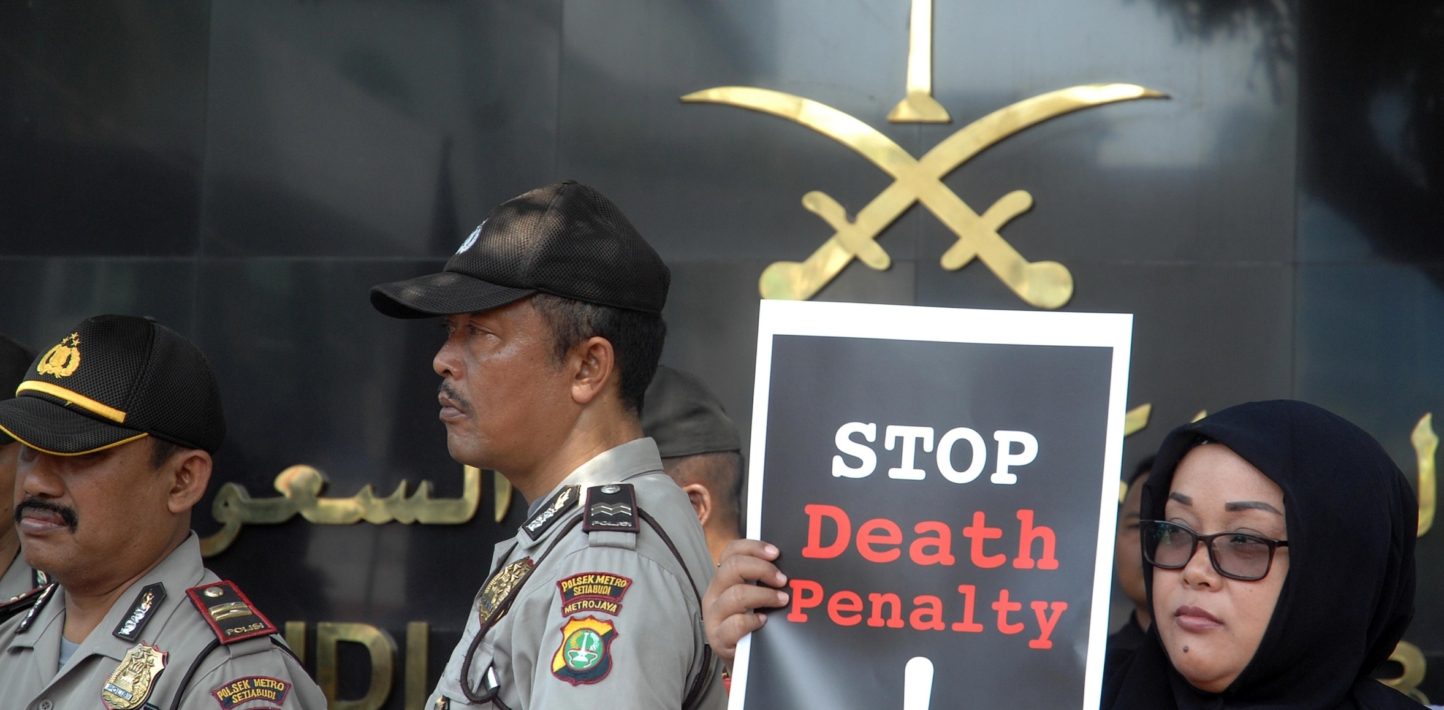
However, its continued use of capital punishment has drawn sustained criticism from rights groups, who say it clashes with Saudi Arabia’s efforts to project a more progressive global image.
“These are not violent criminals, and most are foreign nationals,” said Harriet McCulloch of the rights group Reprieve, arguing that executing people for drug offences violates international standards that restrict the death penalty to cases of intentional killing.
Critics also say the growing execution toll undermines Crown Prince Mohammed bin Salman’s Vision 2030 reform agenda, which seeks to portray Saudi Arabia as a more open and tolerant society.
The kingdom has invested heavily in tourism and major sporting events, including hosting the 2034 World Cup, as part of efforts to reduce reliance on oil.
Saudi authorities maintain that capital punishment is necessary to preserve public safety and insist it is only applied after all legal appeals have been exhausted.
Amnesty International, which began documenting executions in the country in 1990, says Saudi Arabia ranked third globally for executions in 2022, 2023 and 2024, behind China and Iran.