


 Trending

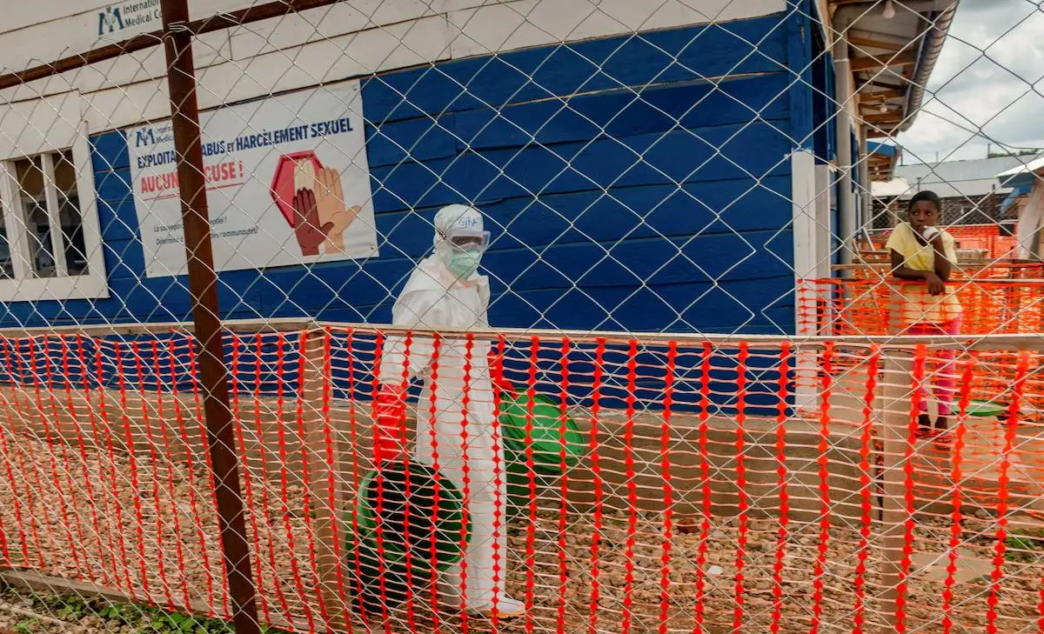
Médecins Sans Frontières (MSF) warned on Thursday that Congo’s six-month-old Ebola outbreak continues spreading out of control, driven by widespread hospital transmission and undetected infections.
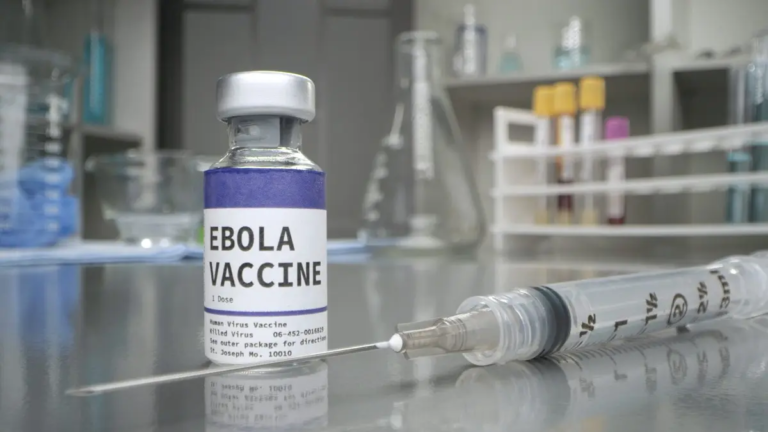
Declared in mid-May and caused by the rare Bundibugyo strain—which lacks approved vaccines or treatments—the crisis has now surpassed 11,000 confirmed cases, making it the second-worst Ebola outbreak in history.
Despite significant international funding, critical aid fails to reach frontline communities, according to the medical charity.
MSF reported severe operational breakdowns, including untrained and unpaid healthcare workers, fuel-starved ambulances, and shortages of surveillance teams and protective gear.
“Despite the vast amounts of money provided for the response, many frontline responders are left trying to contain the outbreak with empty hands and empty pockets,” MSF International President Dr Javid Abdelmoneim said.
Calling the ongoing dysfunction unacceptable, MSF urged the Congolese government and United Nations agencies, including the World Health Organisation, to convert mobilised funds into tangible field support.
Disease modellers echoed concerns over failing containment efforts.
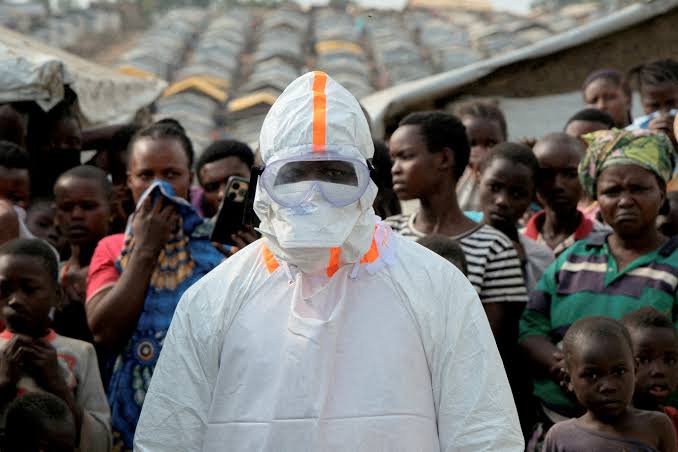
Speaking at a briefing on Wednesday, Imperial College London epidemiologist Neil Ferguson warned that surveillance teams likely catch only half of all infections, estimating that between 2,000 and 3,000 people currently carry the virus in Congo.
Ferguson projected that transmission will persist for at least another year and could surpass the catastrophic 2014–2016 West African epidemic, which infected over 28,600 people and killed more than 11,000 because so many cases went unrecorded.
Congo’s Conflict-Affected Provinces
Field conditions vary sharply across Congo’s conflict-affected provinces, worsening the crisis.
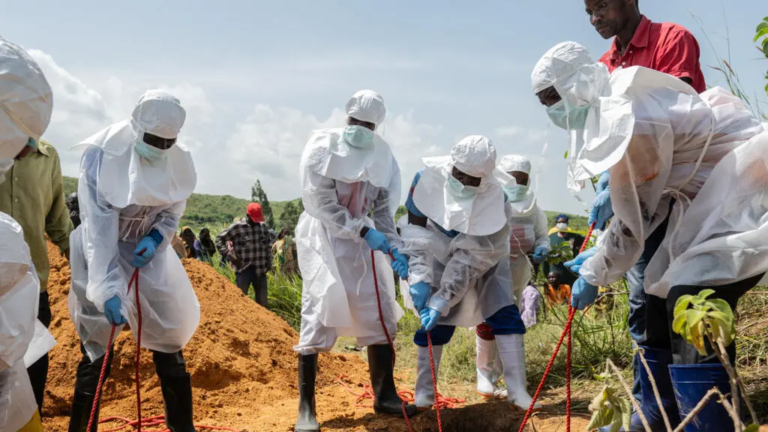
In Ituri province, MSF noted that only nine per cent of treated patients had known links to previous cases, while nearly two-thirds of Ebola deaths over the past month occurred inside local communities rather than treatment centres.
Read More : DR Congo Ebola Outbreak Surpasses 11,000 Cases
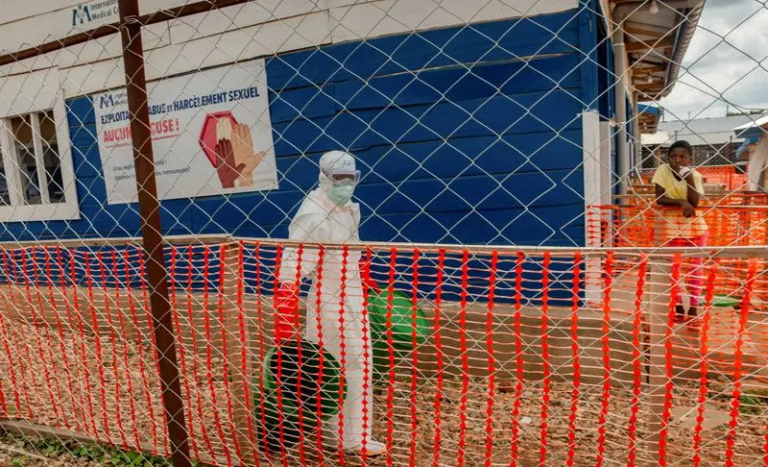
Meanwhile, severe shortages of basic sanitation supplies like water and chlorine have turned medical clinics into transmission hubs; in North Kivu’s Beni health zone, nearly three-quarters of patients likely contracted the virus inside healthcare facilities.
Responding to MSF’s critique, the WHO pointed to Tuesday remarks from Director-General Tedros Adhanom Ghebreyesus, who acknowledged salary delays for health workers while emphasising ongoing collaboration with Congolese officials and the Africa CDC.
However, Ghebreyesus stressed that violent insecurity poses the greatest barrier to containment, citing a deadly raid last week in North Kivu’s Cantine-Aloya town that killed 66 civilians—including three health workers—and caused responders to lose track of three confirmed patients and more than 1,000 contacts.